Why Open Coffins Matter: Insights from Glyn Tallon on Saying Goodbye
Families deserve the opportunity to say goodbye to their loved ones in a way that feels meaningful and healing. In a feature for The Irish Times, embalming expert Glyn Tallon of Tallon Mortuary Specialists shared his deeply held belief that no one should be given a closed coffin if their family wishes otherwise. Glyn’s experience in mortuary care, particularly in restorative embalming, underlines how important these final moments can be for the grieving process.

What I do: Glyn Tallon (foreground) who is an embalmer and death care provider and the owner of Tallon Mortuary Specialists based in Navan, Co. Meath. Photograph: Bryan O Brien / The Irish Times
A Family’s Right to Say Goodbye
Glyn’s philosophy is simple: when a family wants an open coffin for the funeral or wake, they should have that opportunity. He explains that much of his work as an embalmer focuses on advanced reconstruction, especially in situations where traumatic injury has altered a person’s appearance. With careful restorative techniques and family guidance, Glyn aims to help the deceased look peaceful, as if they are simply asleep — making it easier for loved ones to say goodbye.
At the Tallon Mortuary Specialists centre in Navan, Glyn and his team handle a significant portion of cases from across Ireland’s roughly 32,000 annual deaths. The most complex restorative work — such as reconstructing the head after severe trauma — can take between 16 and 22 hours or longer, depending on the needs of the case.
Specialist Skills Every Family Deserves
Glyn’s expertise goes beyond routine embalming. In his interview, he explained that he has skills to manage all kinds of deaths, including those involving road traffic accidents, hospital-induced swelling, and more. His extensive training — including advanced courses in the United States — has equipped him to provide compassionate and skilful care even in the most difficult cases.
This focus on high‑quality restorative work reflects the core mission of Tallon Mortuary Specialists: to make peaceful viewing possible for families who value the chance to see their loved one one last time.
Innovation in Mortuary Restoration
Over the years, Glyn and his team have developed specialised materials to support their restoration process. Traditional materials like wax and silicone each had limitations, so the team worked with mortuary specialists and special effects artists to create new restorative materials that behave more like natural tissue. These innovations allow embalmers to smooth and blend wounds or damage so that the deceased can appear natural and dignified.
The Realities of Embalming Work
Embalming is not a nine‑to‑five profession. Glyn notes that the work can extend through the night and that dedication is essential. It requires patience, precision and compassion — qualities that are vital when working with bereaved families. His commitment to the profession comes not just from skill, but from a deep respect for families and what they need in their time of grief.
Supporting Families at Their Lowest Moments
Ultimately, Glyn views his work as a privilege. He knows what it’s like to lose someone dear, and this personal experience gives him empathy when helping others navigate their grief. For many families, seeing a loved one at peace can be a crucial part of healing. He believes that offering families the chance to say goodbye properly is one of the most important services an embalmer can provide.
Continuing the Tradition of Care
Tallon Mortuary Specialists remains dedicated to preserving the dignity of the deceased and supporting families throughout Ireland. Through expertise in embalming and restorative work, Glyn and his team ensure that every family has the opportunity to honour their loved one in the fullest way possible.
If you would like to learn more about restorative embalming or our services, contact Tallon Mortuary Specialists or explore our other articles on funeral care and family support.
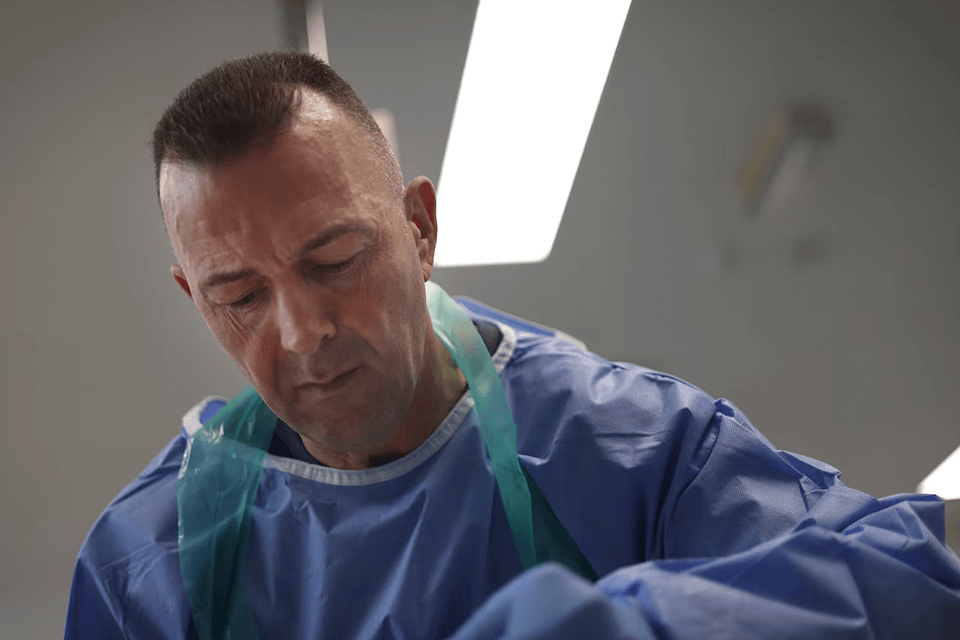
Glyn Tallon: 'This is no nine-to-five profession. Depending on the case, we could work through the night.' Photograph: Bryan O' Brien